







Search Results for: Moka pot cleaning
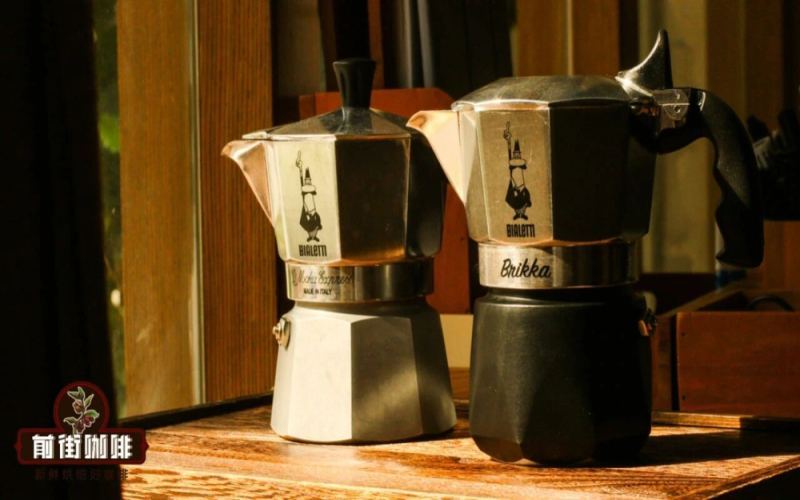
The Complete Guide to Moka Pot Cleaning and Maintenance: How to Prevent Oxidation and Leaks in Aluminum and Stainless Steel Pots, and Fix Blackening
Over time, a moka pot can develop dark spots or patches on its body, and this is usually caused by improper cleaning methods. Many people focus only on how to brew coffee with a moka pot, but overlook that cleaning and maintenance are equally important. With proper care, a moka pot can stay with you for many years; with improper care, not only will its lifespan be shortened, but it will also absorb odors and affect the flavor of your coffee. Moka pots on the market are mainly divided into two types: aluminum and stainless steel, and different materials require very different cleaning methods. Aluminum pots require particular attention, because they easily react with alkaline ingredients or chlorine in cleaning agents, leading to corrosion and oxidation, and they also absorb the smell of detergent. This article will systematically share the correct steps for daily moka pot cleaning, the differences in care between aluminum and stainless steel pots, and repair techniques for when the pot body has already turned "black," helping you extend the life of your beloved pot and keep every cup of moka coffee pure and delicious. [more…]
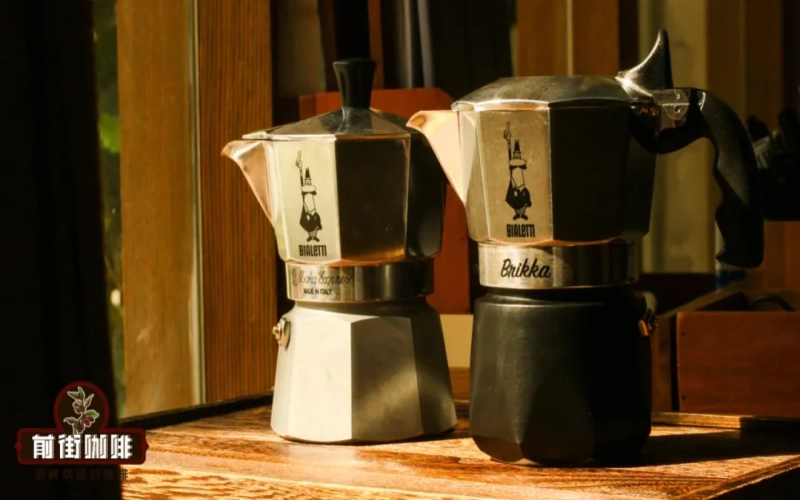
How to Deal with Oxidation and Blackening of a Moka Pot? Cleaning, Maintenance Methods, and Repair Tips for Aluminum and Stainless Steel Pots
Front Street Coffee has shared quite a few tips on using a moka pot and methods for making coffee with it, yet we've never systematically talked about cleaning and maintenance. As a result, the same question keeps popping up in our messages: what should you do when your moka pot has "gone dark"? So-called darkening refers to the pot's body turning black in spots due to oxidation, which often stems from improper cleaning after use. In fact, cleaning and maintenance are just as important as brewing—maintain your moka pot well and it will last a long time; maintain it poorly and not only will its lifespan be shortened, but it will also absorb odors and affect the flavor of your coffee. Today, Front Street Coffee will explain in detail the correct way to clean a moka pot, the key points of maintenance, and how to repair a moka pot that has already oxidized and turned black. [more…]
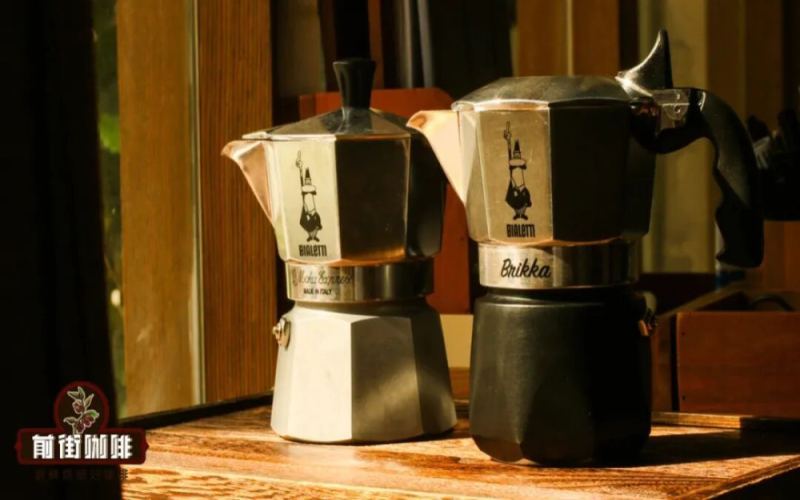
Complete Guide to Moka Pot Cleaning and Maintenance: Proper Cleaning, Gasket Care, and Oxidation Repair for Aluminum and Stainless Steel Pots
Many coffee enthusiasts are familiar with using a moka pot and the brewing techniques involved, but how to properly clean and maintain it afterward is often overlooked. Although Front Street Coffee has shared a great deal of content related to moka pots, it has never systematically covered the topic of cleaning, and as a result, the back office keeps receiving requests for help with pots that have "turned black." What is called blackening is actually spotting caused by oxidation, mostly triggered by improper cleaning. With proper care, a moka pot can last for many years; without it, not only is its lifespan shortened, but it will also absorb odors that affect the flavor of the coffee. This article explains the key points of cleaning by material, teaches you how to disassemble and wash the gasket and filter screen, how to repair an already oxidized pot body, and also recommends Front Street Coffee beans suitable for moka pots. [more…]
The Complete Guide to Moka Pot Cleaning and Maintenance: Avoiding Oxidation Blackening and Gasket Replacement Tips
Although the moka pot is small, cleaning and maintenance require real attention to detail. Many enthusiasts casually rinse it after use, only to find oxidized black spots on the body—not only does this affect its appearance, but it can also give the coffee an off-flavor. This article systematically covers the correct cleaning methods for aluminum and stainless steel moka pots, the key points for removing and reinstalling the gasket and filter screen, and how to repair a pot that has already "turned black." At the same time, Front Street will also recommend coffee beans suitable for moka pot extraction, so you can master everything from equipment maintenance to the flavor in the cup in one go. [more…]
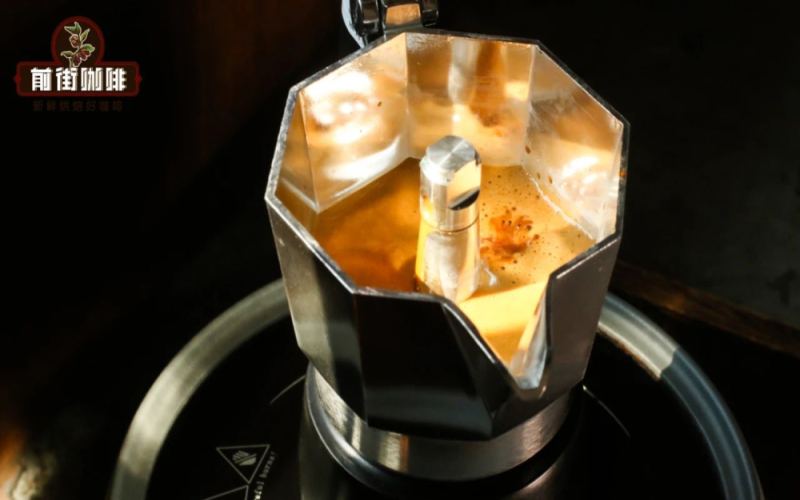
Complete Guide to Moka Pot Cleaning and Maintenance: Practical Methods to Prevent Aluminum Pot Oxidation and Blackening, and Replace Gaskets to Extend Service Life
The moka pot is a staple piece of equipment in many coffee lovers' homes, but if daily cleaning isn't done carefully enough, the aluminum body can easily oxidize and turn black, and the gasket and filter screen are often overlooked. This article explains in detail the key cleaning points for aluminum and stainless steel moka pots, walks through the steps for removing and cleaning the gasket and filter screen, their installation orientation, and replacement intervals, and offers repair solutions using white vinegar or lemon juice soaks for pots that have already oxidized. Mastering these methods not only keeps your coffee's flavor pure, but also effectively extends the moka pot's lifespan, letting it reliably brew every cup of coffee for you for years to come. [more…]
The Complete Guide to Moka Pot Cleaning and Maintenance: How to Properly Wash Aluminum and Stainless Steel Pots and Fix Oxidation and Blackening
Moka pots are convenient to use, but cleaning and maintenance involve quite a few finer points. The aluminum body easily reacts with cleaning agents, causing oxidation and blackening, and if the gasket and filter screen are not removed and cleaned for a long time, a large amount of coffee liquid and grounds will remain, affecting the seal and flavor. This article provides a detailed breakdown of the daily cleaning steps for moka pots, the differences in cleaning aluminum versus stainless steel pots, the key points for removing and reinstalling the gasket and filter screen, and the white vinegar and lemon juice repair method after oxidation and blackening. No matter which material you use, mastering these details can extend the life of the pot and make every cup of coffee purer. Front Street Coffee also offers practical reminders in the article. [more…]
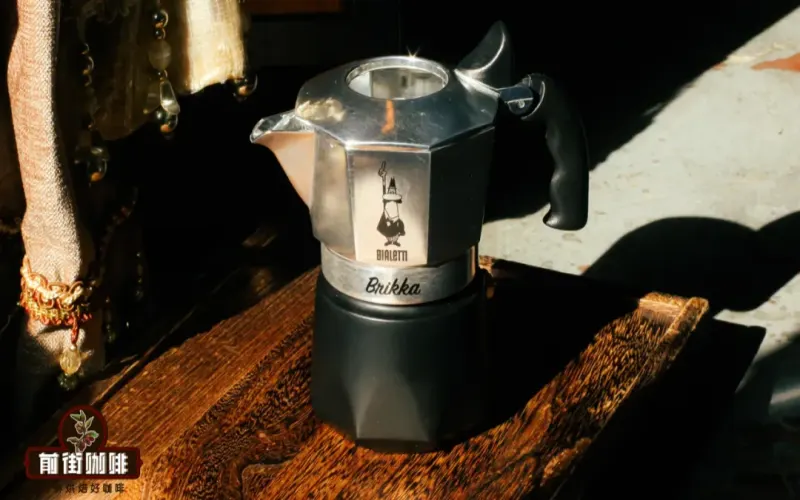
Why Should You Discard the First Three Cups from a New Moka Pot? Correct Procedures and Key Details for Seasoning and Cleaning
The moka pot, with its affordable price, simple operation, and ability to brew strong coffee close to espresso, has become the top choice for many coffee enthusiasts just starting out. After getting a new pot, the manual and customer service usually remind you: the first three cups of coffee cannot be drunk and need to be poured out. The reason behind this is that a new pot needs a deep cleaning, which is what's called "seasoning the pot." This article covers why you need to season the pot, whether water alone is enough, which coffee beans are recommended, the specific steps to follow, and easily overlooked details like cleaning the gasket and filter, to help you properly complete the preparation for using your moka pot for the first time. [more…]
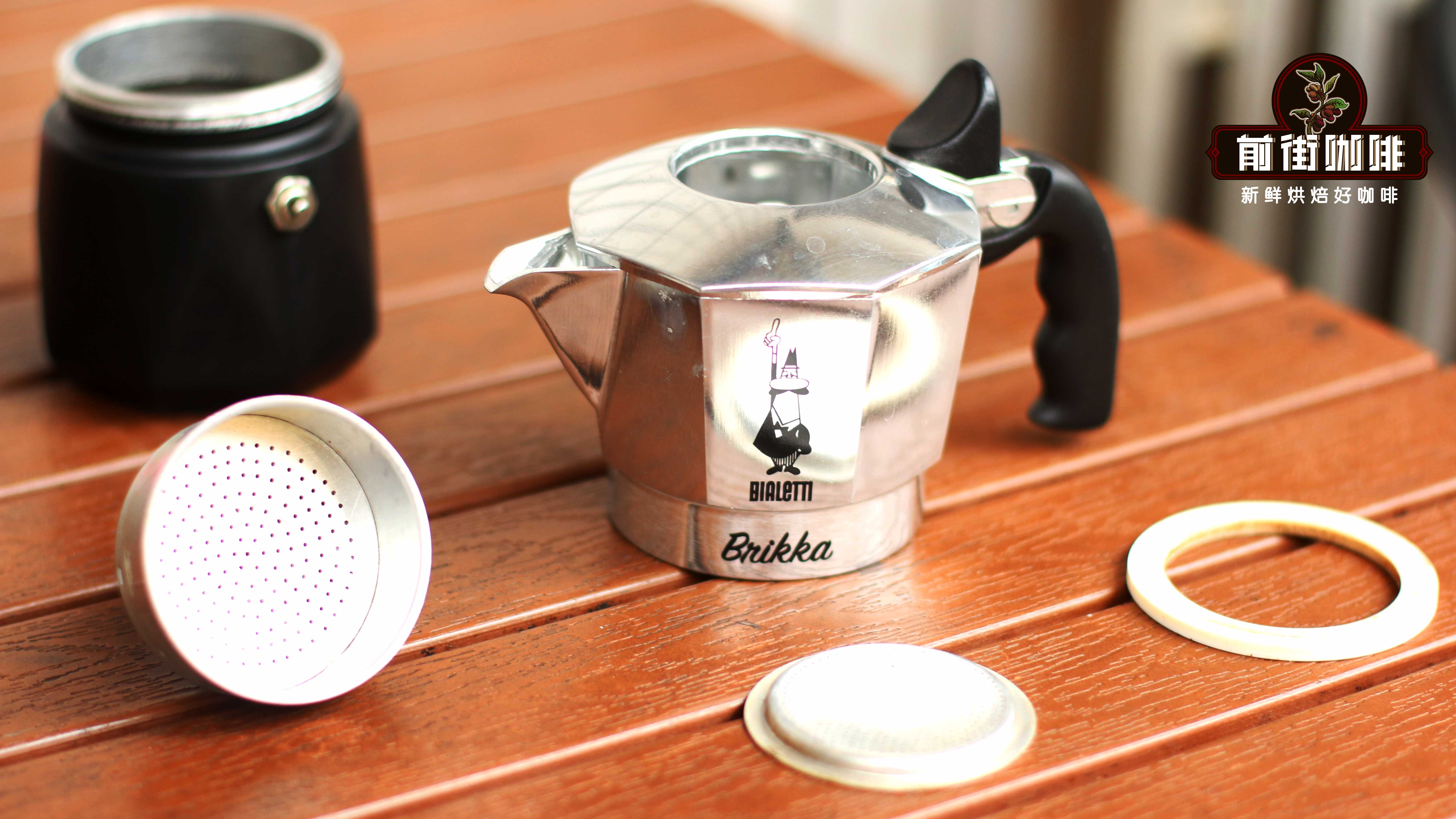
Detailed Guide to Moka Pot Seasoning Steps: Cleaning Methods, Burn Prevention Tips, and Explosion Risk Avoidance
A newly purchased moka pot also needs to undergo a "seasoning" process like an iron wok, in order to remove metal shavings and oil residue left from manufacturing. But seasoning is not simply rinsing—it involves many details: Why can't you season it with just water? When should you stop heating to avoid bursting the pot? How should you clean and store it properly? Front Street Coffee will explain in detail the correct method for seasoning a moka pot, and share key precautions during use, helping you safely and efficiently enjoy the coffee pleasure brought by a moka pot. [more…]
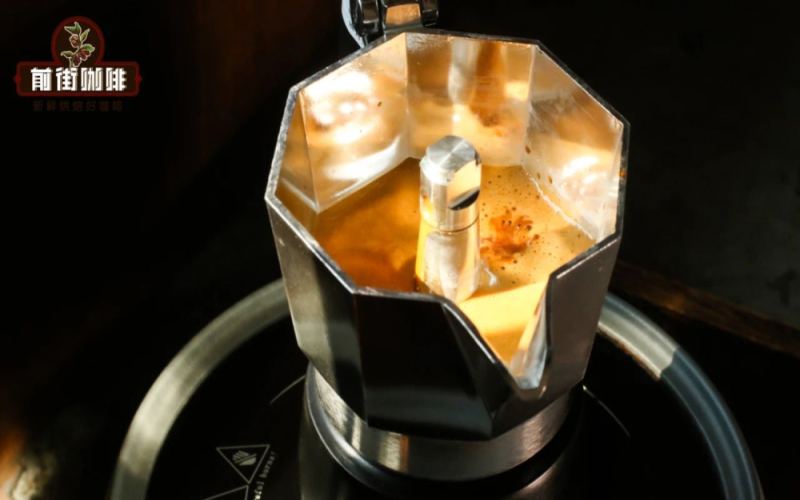
Moka Pot Brewing Troubleshooting: How to Choose Between Aluminum and Stainless Steel Models, and How to Do Daily Cleaning and Maintenance
The moka pot is a common tool for many coffee lovers brewing espresso at home, but during operation, problems such as poor flow, overly bitter or sour taste, or almost no crema are often encountered. This article focuses on the practical use scenarios of the moka pot, organizing the complete process from material selection, heating methods to extraction parameters and post-brew cleaning, and provides troubleshooting ideas for common faults. The article also combines the production experience of Front Street Coffee to explain the key points of coordination among coffee grounds amount, water amount, grind size, and heat level, helping readers more consistently make a cup of rich-bodied moka pot coffee. [more…]
How the Grind Size of Moka Pot Coffee Affects Crema and Taste: Usage Tips and Cleaning Precautions
With its hundred-yuan price tag and simple operation, the moka pot has become the top choice for many coffee lovers looking to brew rich coffee at home. But can coffee brewed in a moka pot have a rich layer of crema? And how should you control the grind size of the coffee grounds? From the perspective of a Front Street Coffee barista, this article offers a detailed analysis of the moka pot's extraction principles, the particle size requirements for coffee grounds, suitable coffee bean choices, and key cleaning points after use, helping you fully unlock the potential of this Italian national coffee device and brew a cup of coffee that is both rich and smooth. [more…]
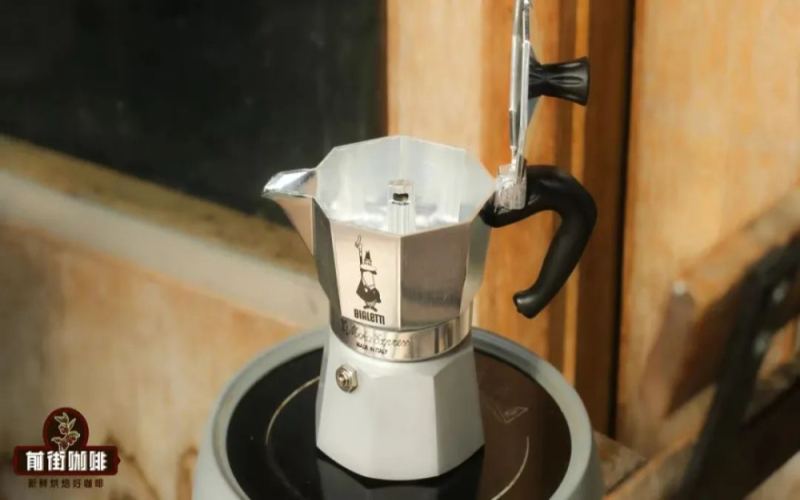
A Complete Guide to Moka Pot Brewing Questions: Cleaning and Maintenance Methods and a Comparison of Aluminum vs. Stainless Steel Materials
As a traditional Italian coffee apparatus, the Moka pot is favored by enthusiasts for its simple operation and rich flavor. This article systematically organizes common questions about the Moka pot's brewing principles, grind size and tamping key points, water temperature control, and heat adjustment, and explains cleaning and maintenance methods in detail. At the same time, it compares the advantages and disadvantages of aluminum and stainless steel materials, and answers various questions that arise during use. The article also combines recommendations from the Front Street Coffee brand to provide coffee bean selection suggestions for readers pursuing a full-bodied or balanced flavor, helping you easily master Moka pot extraction techniques. [more…]
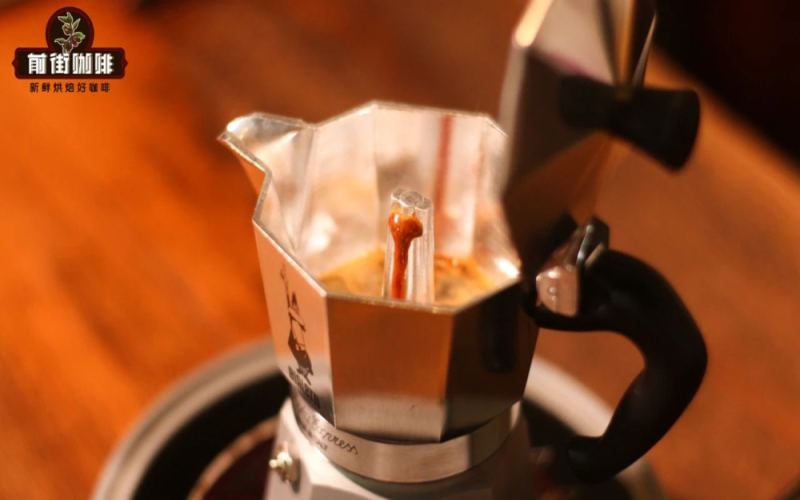
Moka Pot Aluminum Safety Analysis: A Complete Guide to Cleaning Taboos and Practical Operation Tips
As a classic coffee brewing device with a history of several hundred years, the moka pot is still favored by many coffee enthusiasts today. However, questions about whether it is safe, whether the aluminum alloy material poses any problems, and whether it can be put in the dishwasher for cleaning have long troubled many people. In daily conversations, Front Street has found that many friends have misconceptions about the moka pot, believing that it is complicated to use and poses safety hazards. In fact, as long as you master the correct methods of use and the key points of cleaning and maintenance, the moka pot can absolutely become a capable assistant for making coffee at home. Starting from the structure and principles of the moka pot, this article will analyze in detail the safety issues of aluminum moka pots, and compile more than ten practical operating precautions to help everyone avoid common misunderstandings and safely enjoy the rich coffee brought by the moka pot. [more…]
How does the grind size of coffee powder for a moka pot affect the crema and mouthfeel, as well as usage methods and cleaning key points?
With its hundred-yuan price tag and simple operation, the moka pot has become the top choice for many coffee lovers making rich coffee at home. But how does coffee brewed in a moka pot differ from espresso? What effect does grind size have on crema and mouthfeel? How do you choose beans suited to a moka pot? Starting from the extraction principle, this article answers in detail the grind-size standard for moka pots, how to use one, bean recommendations, and cleaning tips, along with professional advice from Front Street Coffee baristas to help you master this compact device. [more…]
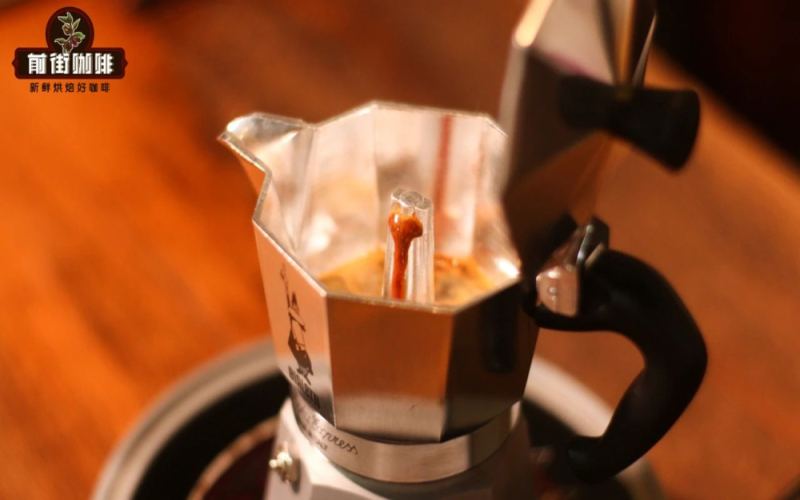
A Complete Guide to Moka Pot Heat Adjustment and Timing: Grind, Water Temperature, Cleaning, and Front Street Coffee Bean Recommendations
The moka pot, a traditional Italian coffee device, seems simple to use, but in reality, the flame intensity and timing of removal from heat greatly affect the flavor. This article provides a detailed breakdown of the moka pot's extraction principles, the differences between single-valve and double-valve models, key points on grind size and tamping, and focuses on answering practical questions such as whether to use high or low heat and when to remove it from the heat. It also offers recommendations for coffee bean selection, suggesting beans suitable for moka pots such as Front Street Black Cocoa Blend, Queen's Farm Brazil, and PWN Golden Mandheling, helping enthusiasts consistently brew rich and full-bodied coffee at home. [more…]
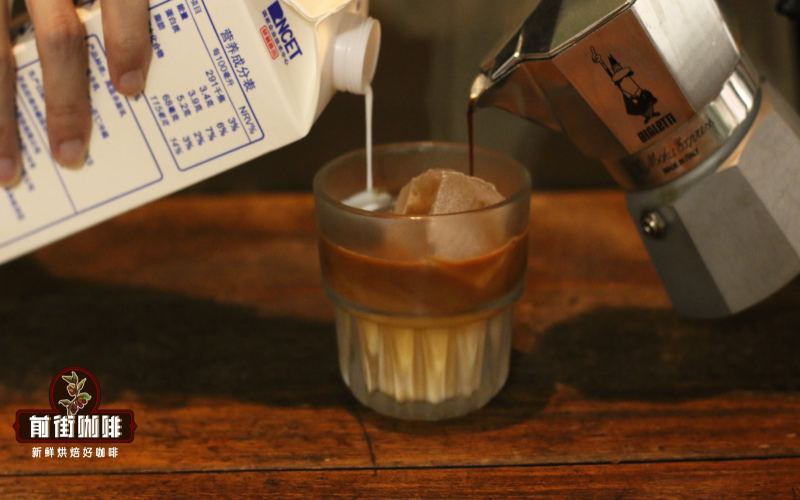
Moka pot flavors go beyond just one: from rich and bold to light and sweet, it can do it all.
When it comes to the moka pot, many people's impression of it is still stuck on "espresso-style, blends, thick crema." It's true that the moka pot is superb for brewing blends, but that doesn't mean it can only be used for one style. In fact, the moka pot's potential is far greater than imagined: from the herbal richness of a dark-roasted Mandheling, to the clean sweetness of a "Little Blue Mountain," and then [more…]
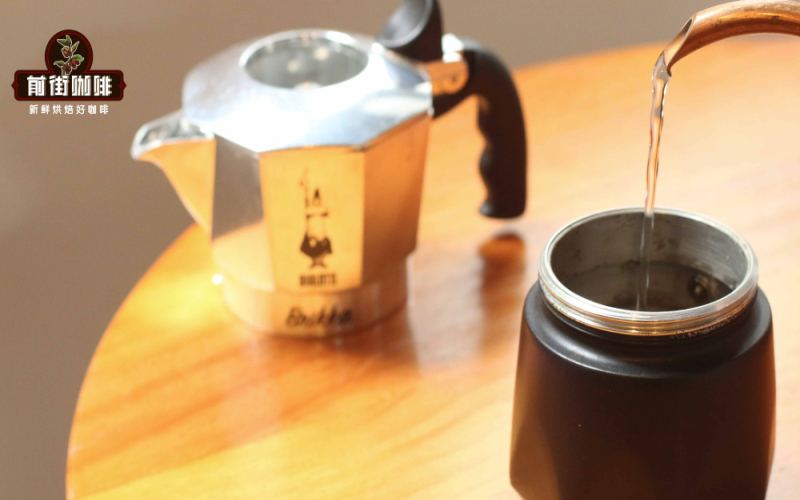
A Complete Guide to Moka Pot Brewing Techniques: From Bean Selection to Cleaning, a Practical Guide to Saying Goodbye to Overly Bitter or Sour Coffee
The Moka pot, with its unique pressurized extraction method, can produce rich and full-bodied coffee, but many enthusiasts often run into the problem of coffee that is too bitter or too sour. This article will start with the structural principles of the Moka pot, explain in detail the suitable types of coffee beans, including recommendations such as Front Street Coffee's classic espresso blend and Golden Mandheling, and then break down step by step the key stages of the brewing method, such as grind size, filling the basket, and heating. Addressing the three common problems of bitterness, sourness, and burnt flavor, the article provides specific adjustment solutions, and finally emphasizes the importance of daily cleaning and maintenance, helping you consistently extract a smooth cup of Moka pot coffee. [more…]
Moka Pot Brewing Guide: From Bean Selection to Cleaning, Practical Tips to Fix Coffee That's Too Bitter or Too Sour
The Moka pot, with its unique pressurized extraction method, can produce coffee with high concentration and a steady mouthfeel, but many enthusiasts often encounter problems such as overly bitter, overly sour, or burnt-tasting results. This article will start with the structural principles of the Moka pot, explain in detail the suitable types of coffee beans, and guide you step by step through the brewing method, including water volume control, grind size selection, coffee dosing techniques, and heating points. For the three common flavor defects, it will analyze the causes one by one and provide adjustment solutions, while also recommending beans such as Front Street Coffee Classic Espresso Blend and Golden Mandheling. Finally, it emphasizes the importance of daily cleaning to help you consistently produce a smooth cup of Moka pot coffee. [more…]

Why Should a New Moka Pot Be Boiled Empty Three Times Before First Use? A Full Explanation of the Seasoning Principle and Usage Details
Friends who have just gotten their hands on a moka pot often see a tip in tutorials: before officially using a new pot, you need to do a trial brew two or three times, and the brewed coffee liquid should be discarded directly. What is the reasoning behind this practice? In fact, for the seasoning process of a new moka pot, it is not recommended to use only clean water for the trial brew, because without the resistance of coffee grounds, hot water can easily splash under pressure, posing a scalding hazard. The main purpose of the first few trial brews is to clean the internal gaps of the pot and any impurities that may remain, so Front Street recommends discarding the liquid from the first three brews rather than drinking it. If you want to reduce waste, you can also use old dark-roast stale beans to season the pot, and once the cleaning effect is achieved, switch to fresh beans for official extraction. In addition, there are many details worth paying attention to when using a moka pot, such as water volume control, grind size selection, filling the filter basket, and daily cleaning and maintenance, all of which directly affect the extraction results and safety of use. [more…]
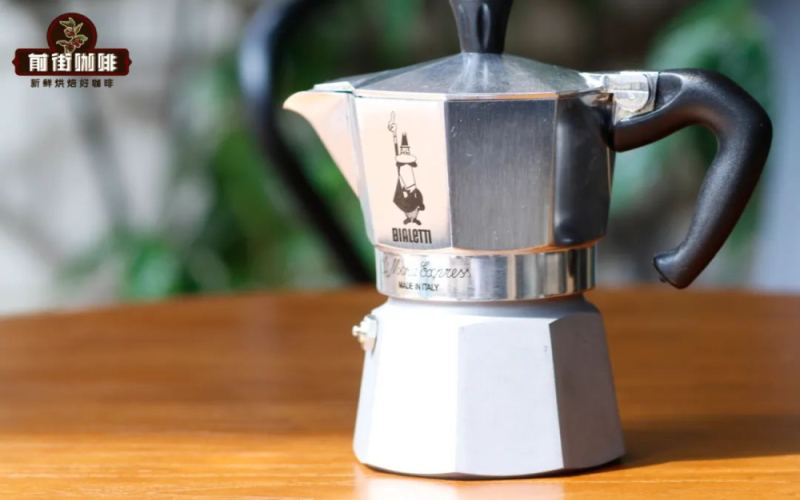
Why shouldn't you drink from a new moka pot for the first three brews? Full analysis of the causes of sputtering and key usage points
Since the Moka pot came onto the market in the 1930s, it has become an important piece of equipment in the daily coffee life of Italian households, and today it also has quite a few fans in China. Its operation seems simple, but beginners often encounter some confusion: why is the coffee brewed in a newly purchased pot not recommended for drinking during the first three times? Why does the coffee liquid sputter when heating? This article will systematically sort out the key details in using a Moka pot from multiple angles, including cleaning and seasoning a new pot, the extraction principle, the pressure relief valve mechanism, grind size, heat control, daily maintenance, and suitable coffee bean choices, and will also include practical suggestions from Front Street Coffee to help everyone brew rich, oily espresso-style coffee more safely and consistently. [more…]
A Complete Guide to Moka Pot Brewing: Principles, Single vs. Double Valve Differences, and Practical Tips on Coffee, Water, and Heat
The moka pot is a common simple espresso-style coffee device in Italian households. It is easier to operate than an espresso machine, yet it can deliver a rich and full-bodied taste. From the perspective of Front Street, this article systematically explains the moka pot's invention background, the differences between single-valve and double-valve models, and the principles of heating and extraction, while also detailing key steps such as grind size, tamping, water temperature, heat adjustment, and cleaning. At the same time, it offers recommendations for coffee bean selection, recommending three beans suitable for the moka pot: Front Street Dark Cocoa Blend, Brazil Queen's Estate, and Front Street PWN Golden Mandheling, helping enthusiasts consistently make coffee with rich crema and balanced flavor. [more…]